
“How will plants grow on the Moon, where gravity is six times lower than on Earth?”
That simple question was the origin of Green Moon Project. The initiative arose in September 2016 from the curiosity of a group of young university students from Málaga (Spain) who wanted to explore how the germination of a seed and the subsequent growth of the plant stem would occur under the effects of lunar gravity.
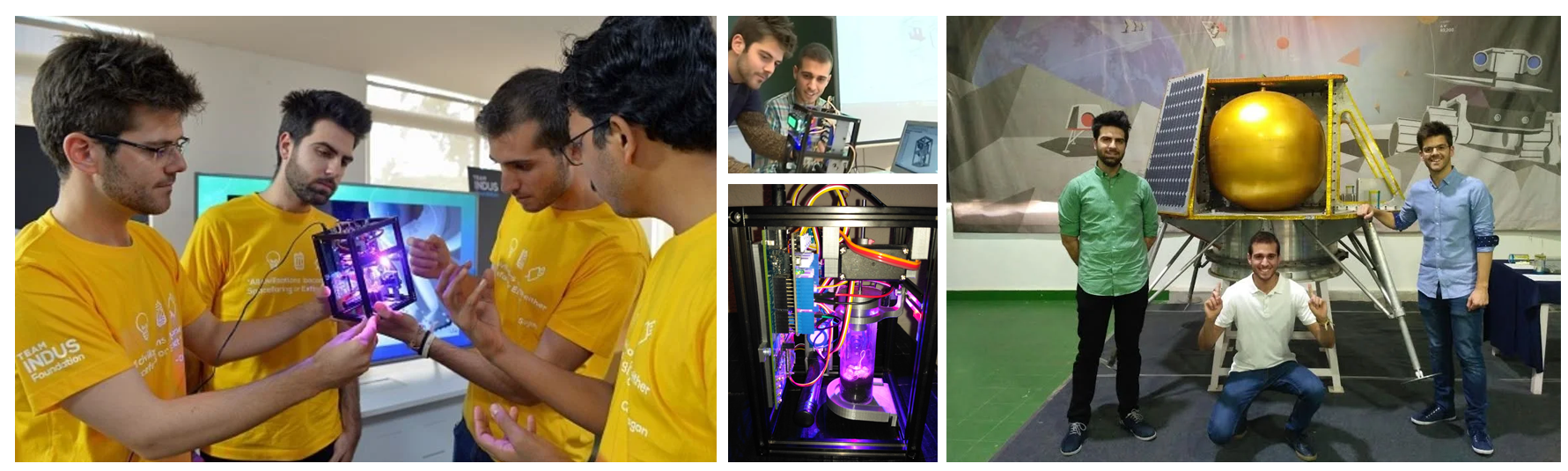
Green Moon Project team presented its own encapsulated greenhouse design, a robotic Moon germinator, to a competition organised by Team Indus as part of the Google Lunar X Prize. Green Moon Project was a multidisciplinary team with a clear astrobiological component, composed of two engineers and a biologist. The project competed with another 3,400 entries becoming the only Spanish team to reach the international finals, among the 15 finalist projects in Bangalore (India) on March 15th, 2017.
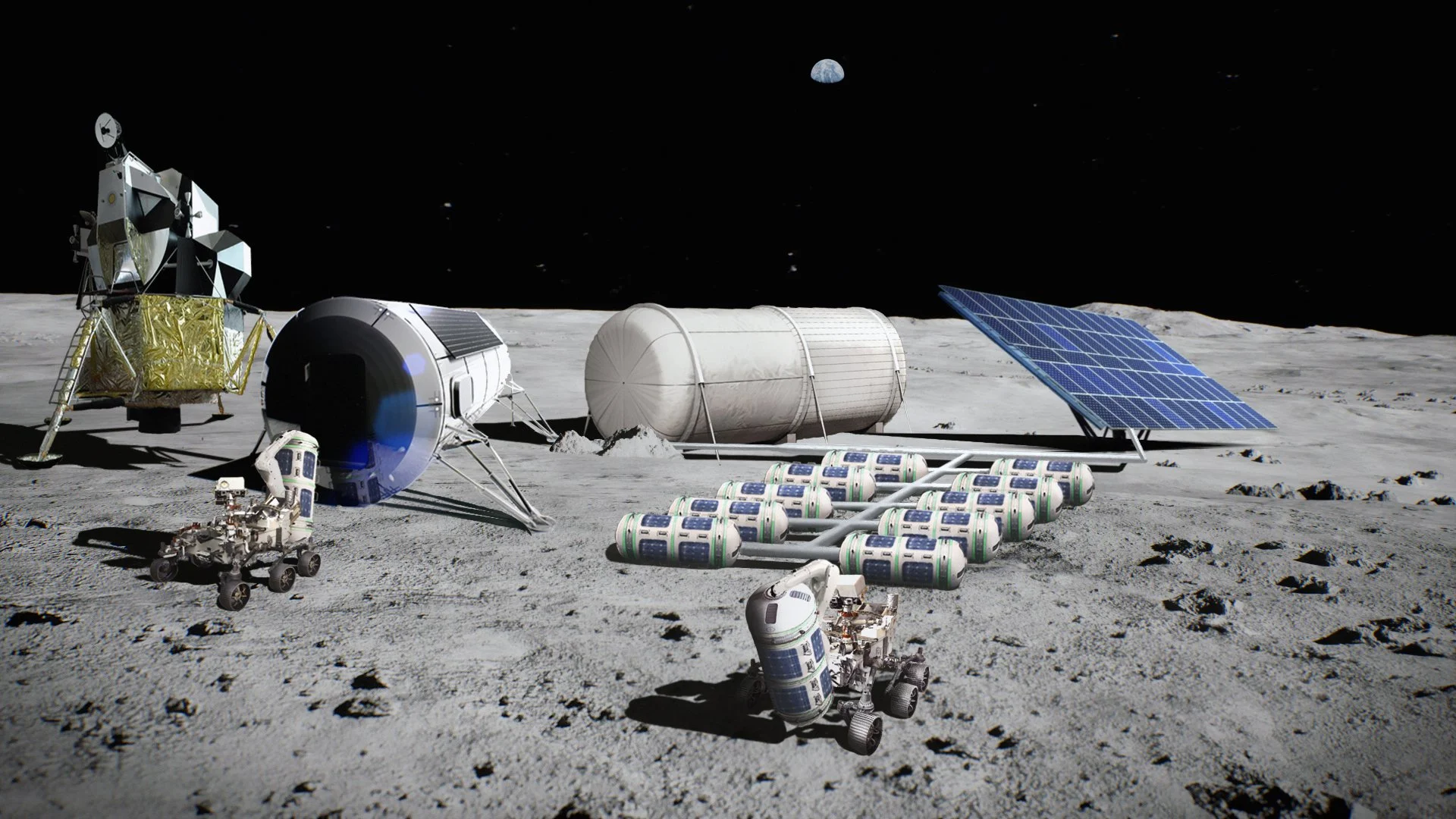
Since then, we have been working intensively to support space agriculture. We develop solutions that combine planetary geology, plant biology, and space engineering to design the crops of the future for space environments. The Green Moon Project has grown into a scientific initiative focused on space agriculture and the development of self-sustaining ecosystems for future lunar missions.

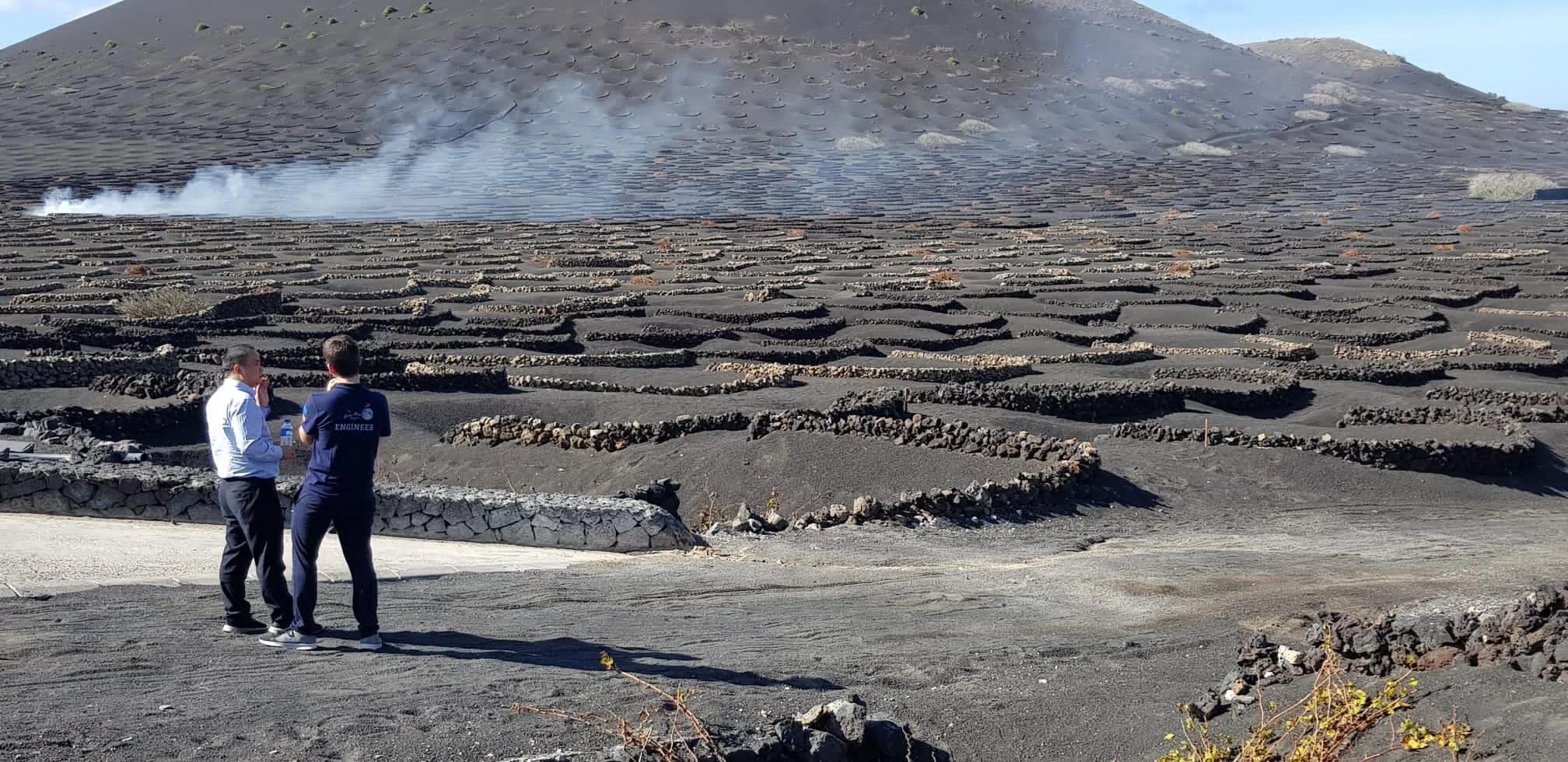
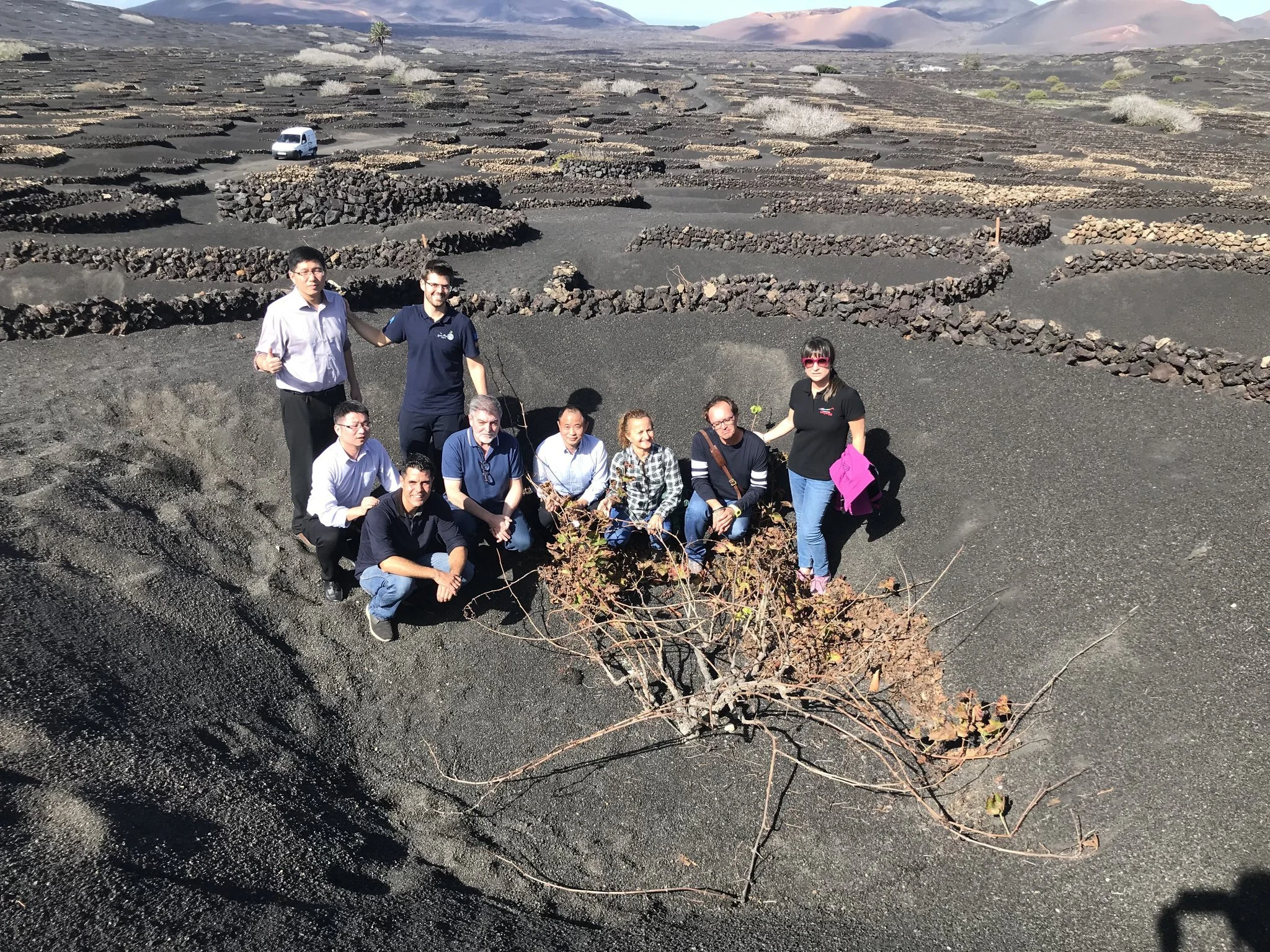
“Green Moon Project and Chinese Center of Space Exploration”

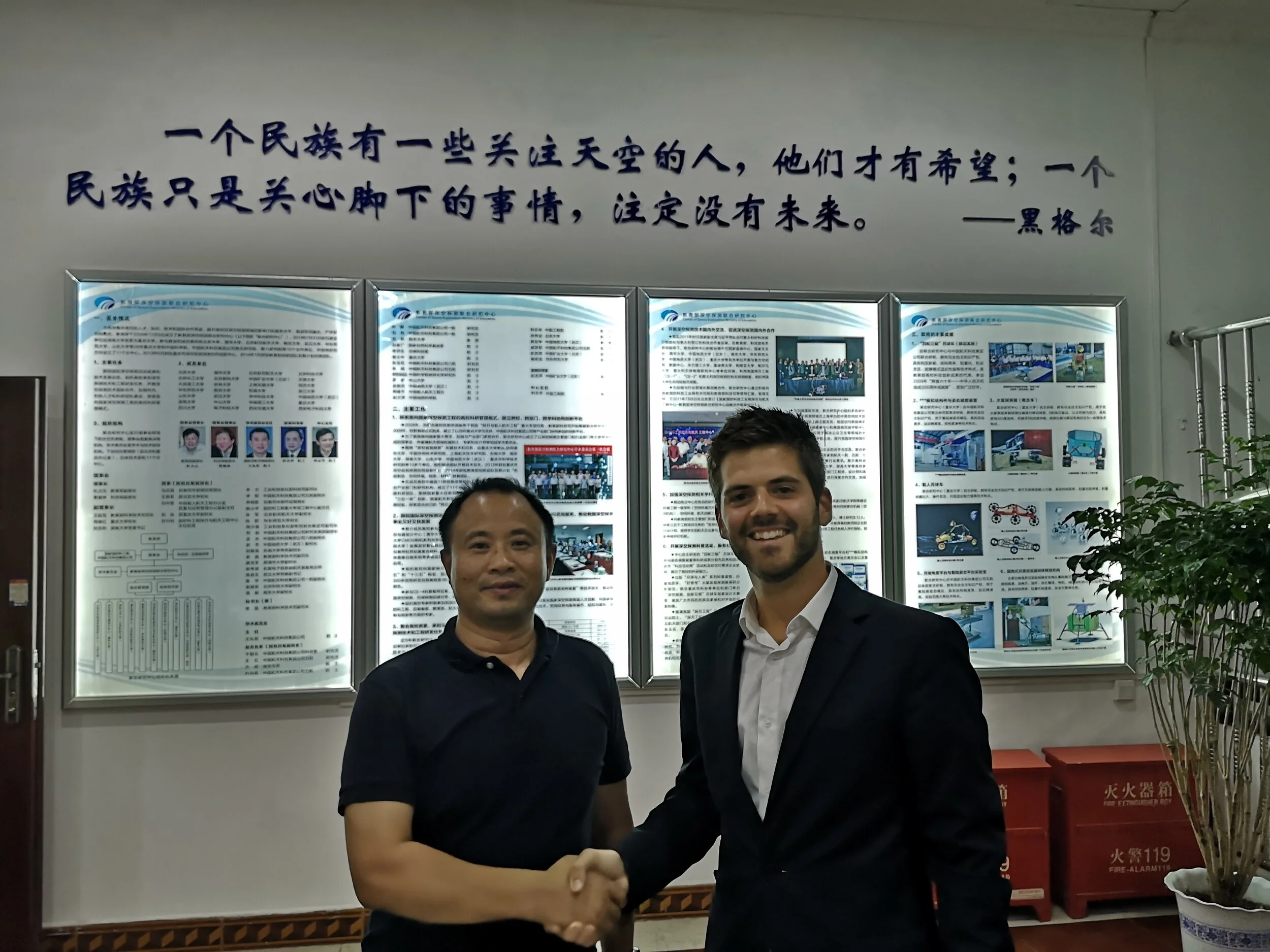
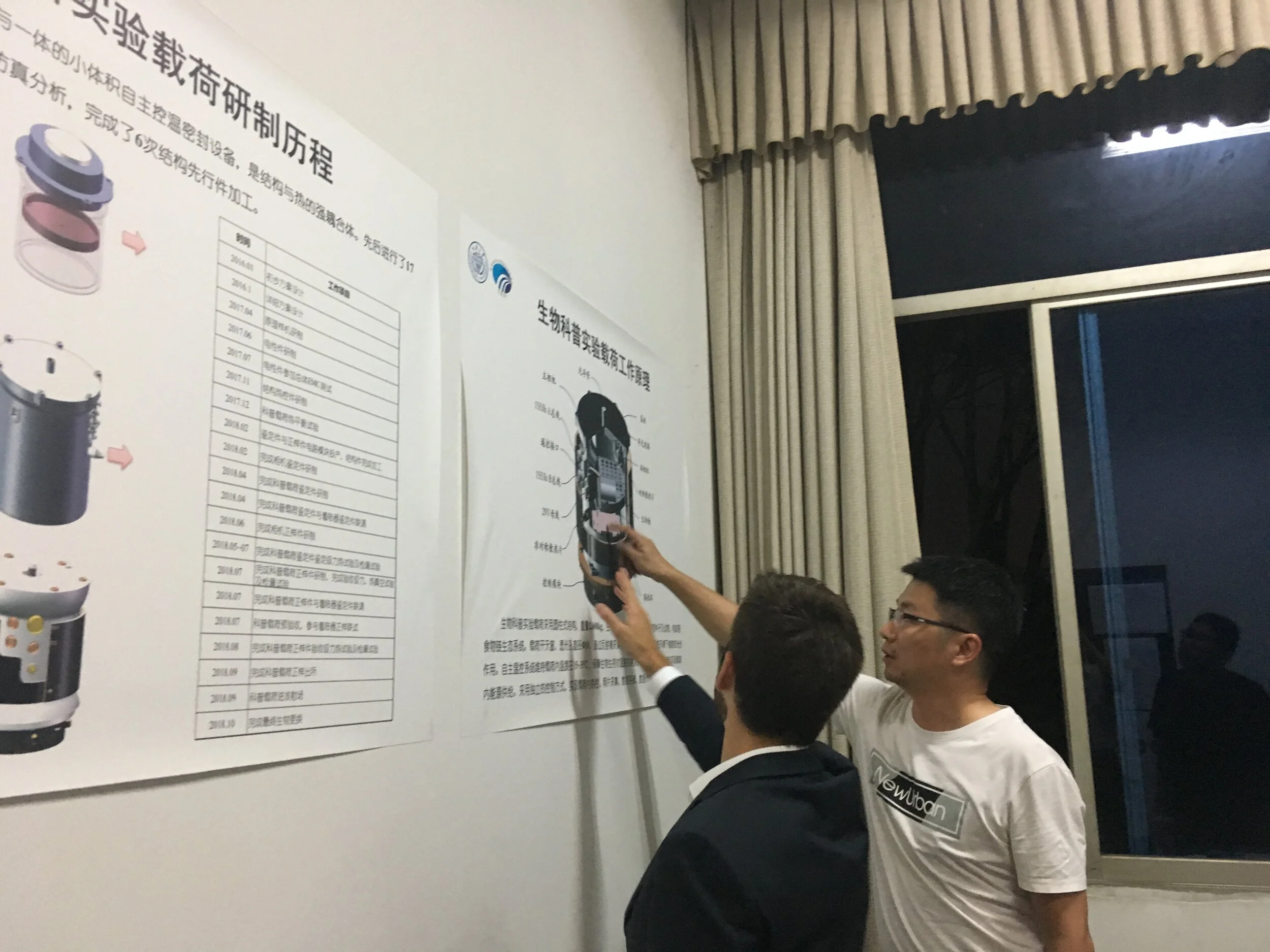
First meeting to express the purpose of establishing a collaboration agreement between the team of the Center of Space Exploration (COSE) of the Ministry of Education at Chongqing University in China and the team of scientists and engineers united through the Green Moon Project in Spain (European Union).
This document symbolises the first step in establishing a partnership between the multidisciplinary teams of Chinese and Spanish scientists and engineers for the future space exploration and space ecosystems development. From here, both parties will seek to define the necessary steps that will lead to the signing of a research agreement that makes this international collaboration effective, involving the Spanish and European institutions to which the Spanish researchers belong.
The main aspects of cooperation between the two sides are: scientific research of astrobiology and extraterrestrial ecosystem, as well as the research, design, technology of space science and deep space exploration, the engineering and technique to design and build future space rovers of inspection. This document is signed in Chongqing (China) on September 7th, 2019.
As a fruit of this signed agreement, in May 2024, there was the scientific paper publication by Elsevier speaking on “Key factors in developing controlled closed ecosystems for lunar missions” https://doi.org/10.1016/j.resenv.2024.100160.